Seminar: Kandilli’s 115-Year Climate Memory: From Observations to Future Climate Data

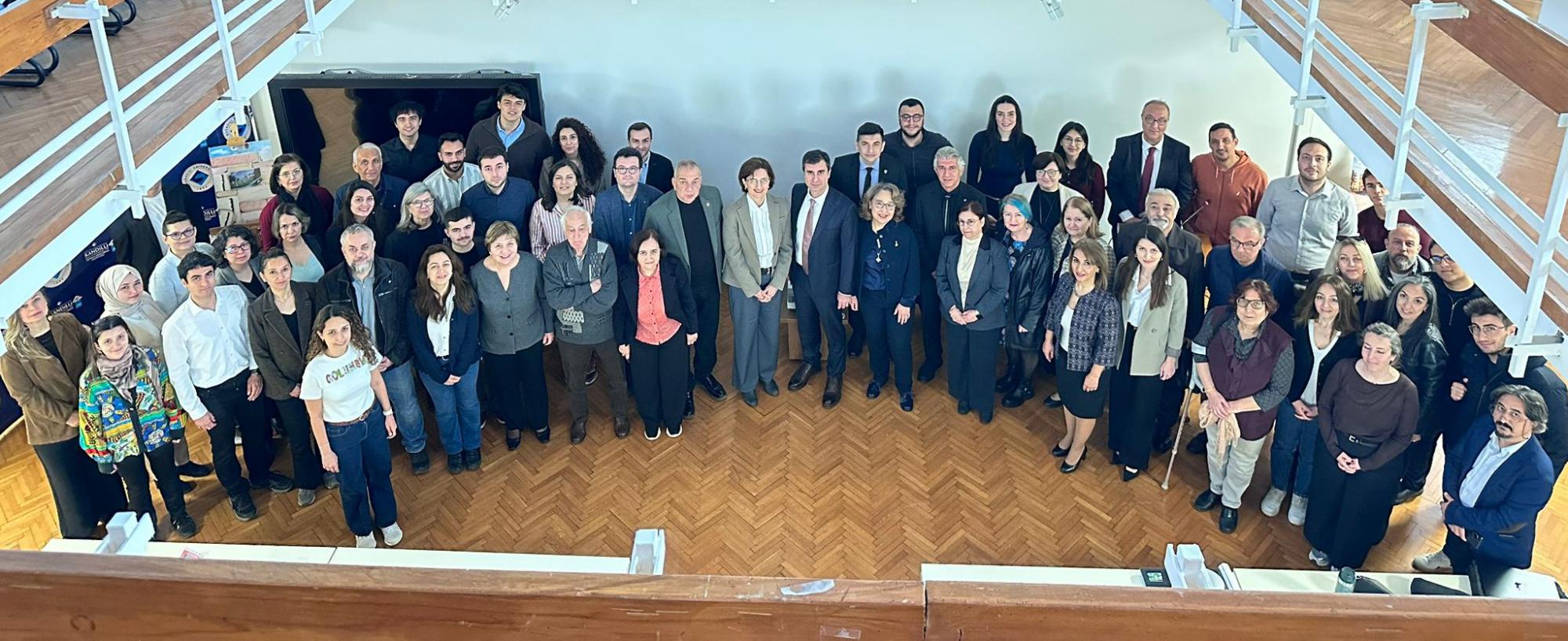
The seminar titled "Kandilli’s 115-Year Climate Memory: From Observations to Future Climate Data" was held on March 27, 2026, hosted by our Institute and organized by the Meteorology Laboratory.
The meteorological chart records kept at Kandilli Observatory since 1911—including parameters such as temperature, precipitation, pressure, humidity, wind, and sunshine—are among the longest-running and most valuable observation series in Turkey. Within the scope of the project "Preservation of Meteorological Scientific Heritage: AI-Supported Digitization of Meteorological Chart Records" led by the Meteorology Laboratory, the process of digitizing analog meteorological records using artificial intelligence and data science methods was shared with the public. These long-term and high-resolution datasets aim to better understand climate change at a local scale and strengthen scientific studies on extreme weather events. By making the digitized data accessible to researchers and public institutions, contributing to decision-making processes in strategic areas such as disaster management, agriculture, water management, and urban planning is aimed.
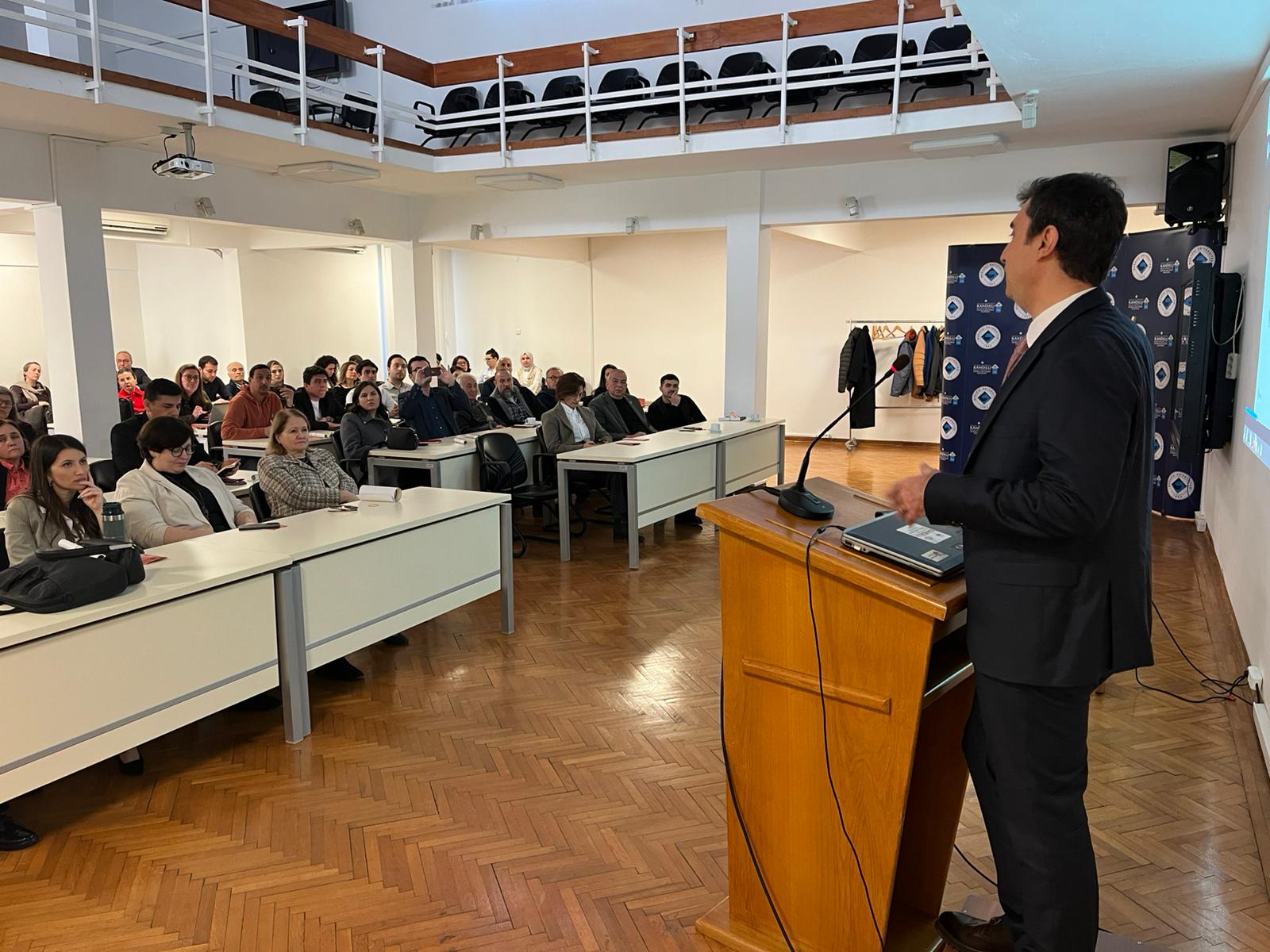
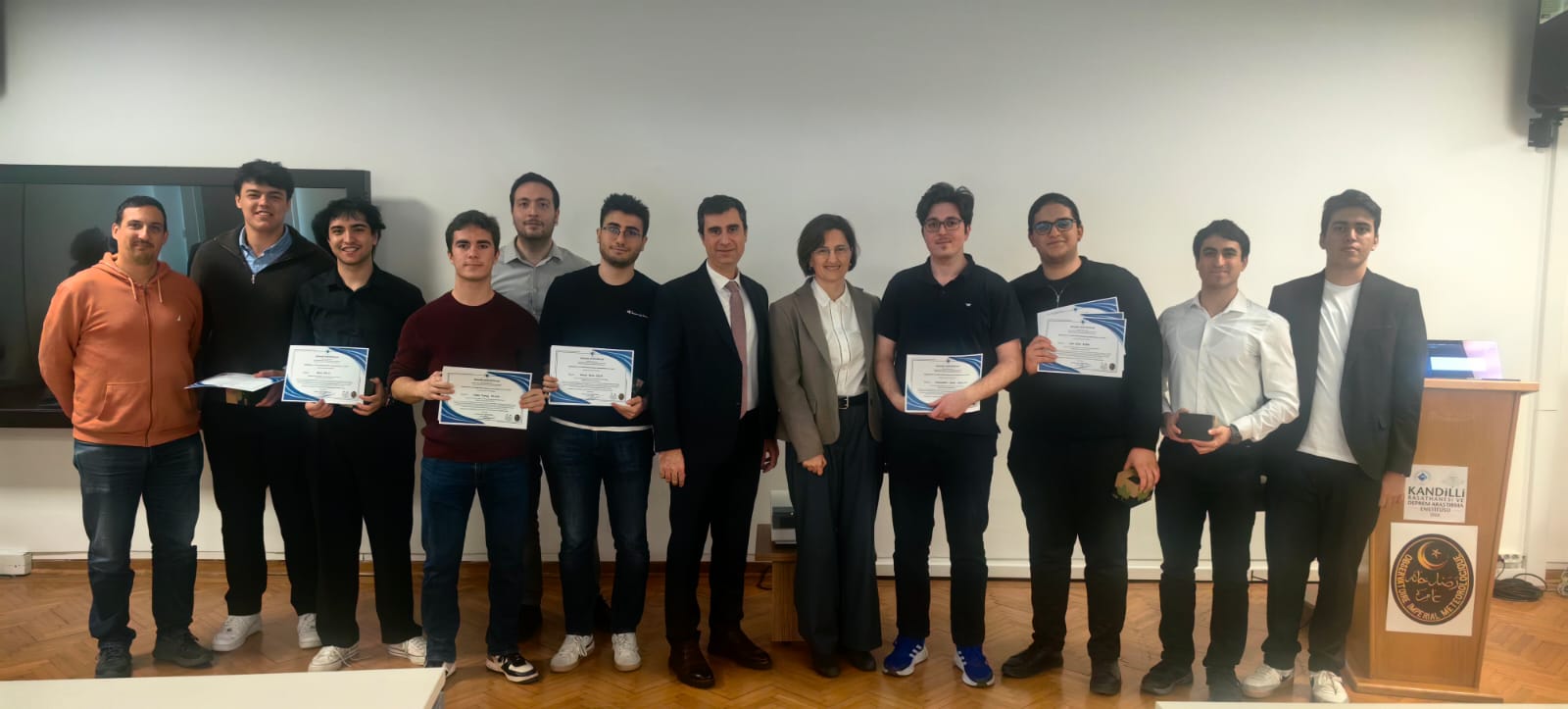
During the event, Prof. Dr. Yurdanur Ünal "The Importance of Long-Term and Hourly Point Data in Climate Change Studies", Dr. Cemre Yürük Sonuç "Evaluation of Convection-Permitting Climate Simulations in Northwest Turkey on an Intra-day Scale" and Dr. Tunay Çarpar "The Future of Water Supply in Istanbul in the Context of Climate Change" contributed with their presentations. Additionally, projects developed by Computer Engineering students during the hackathon process were also introduced. AI-supported systems for digitizing analog meteorological charts, data analysis platforms, and climate projection models were shared with participants. Among the solutions developed, automated digitization systems, digital platforms supporting volunteer participation, natural language-based data query tools, and long-term water resource projection models stood out. The program ended with the presentation of certificates to successful students.